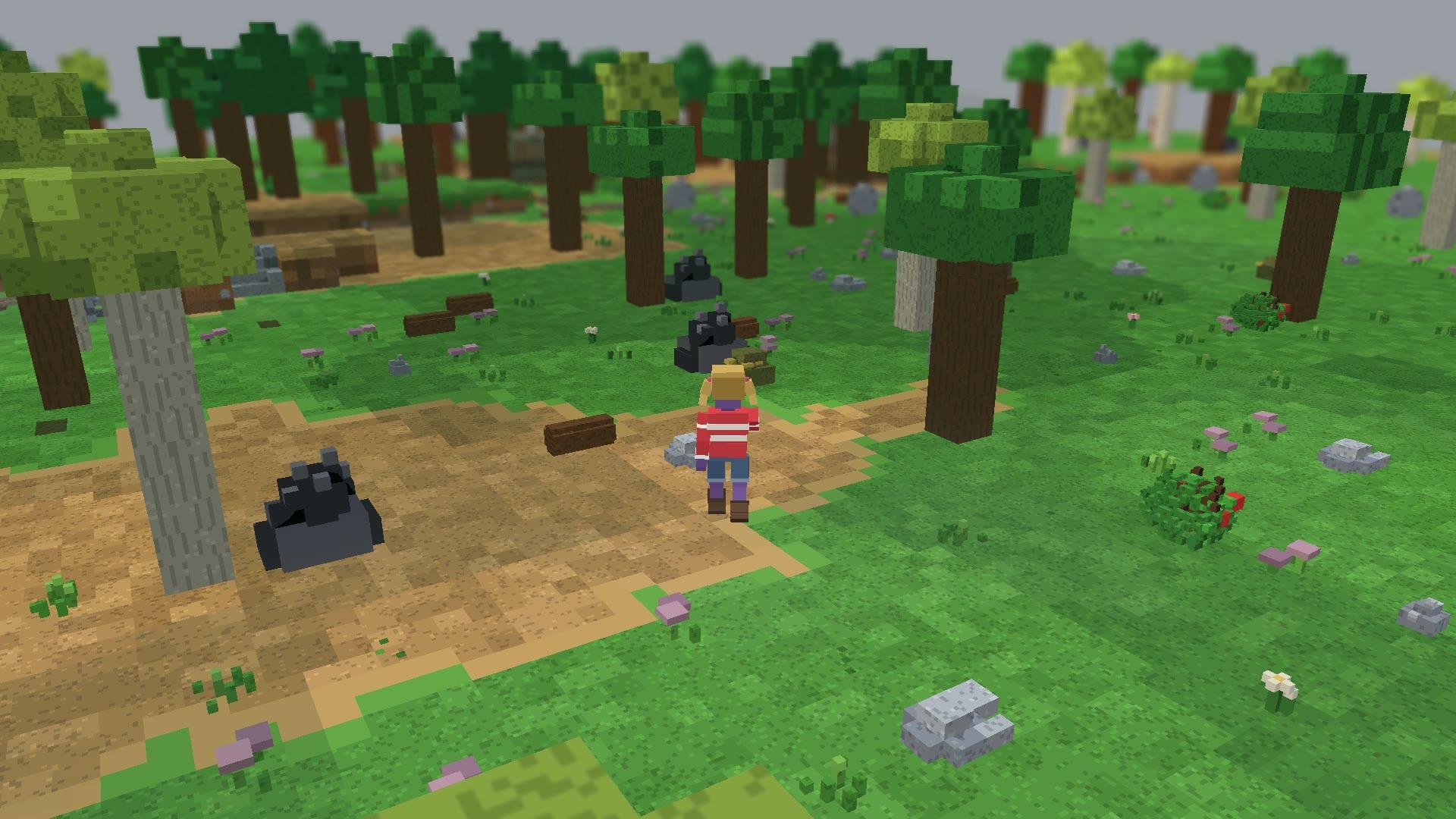
Lantern Hollow is set on the Hollow Moors in the last winter of 1999: a high, wet, wind-scoured stretch of country that exists nowhere but here. It is loosely drawn from the moorland of northern England, its dry-stone walls, its closed railway lines and its long dark winters, but the moors have their own villages, their own weather and their own stories, and none of them are on any real map.
Five of you came out to the hollow on a dare, and on Halloween morning you woke alone in the fog. The year is running out. There is no signal, the phone boxes are empty, and the things people dropped on their way through are still lying where they fell. The hollow itself is a dip in the moor with a spring and a ring of old stones, and the fire is the only ground that is truly yours.
Where the fire is
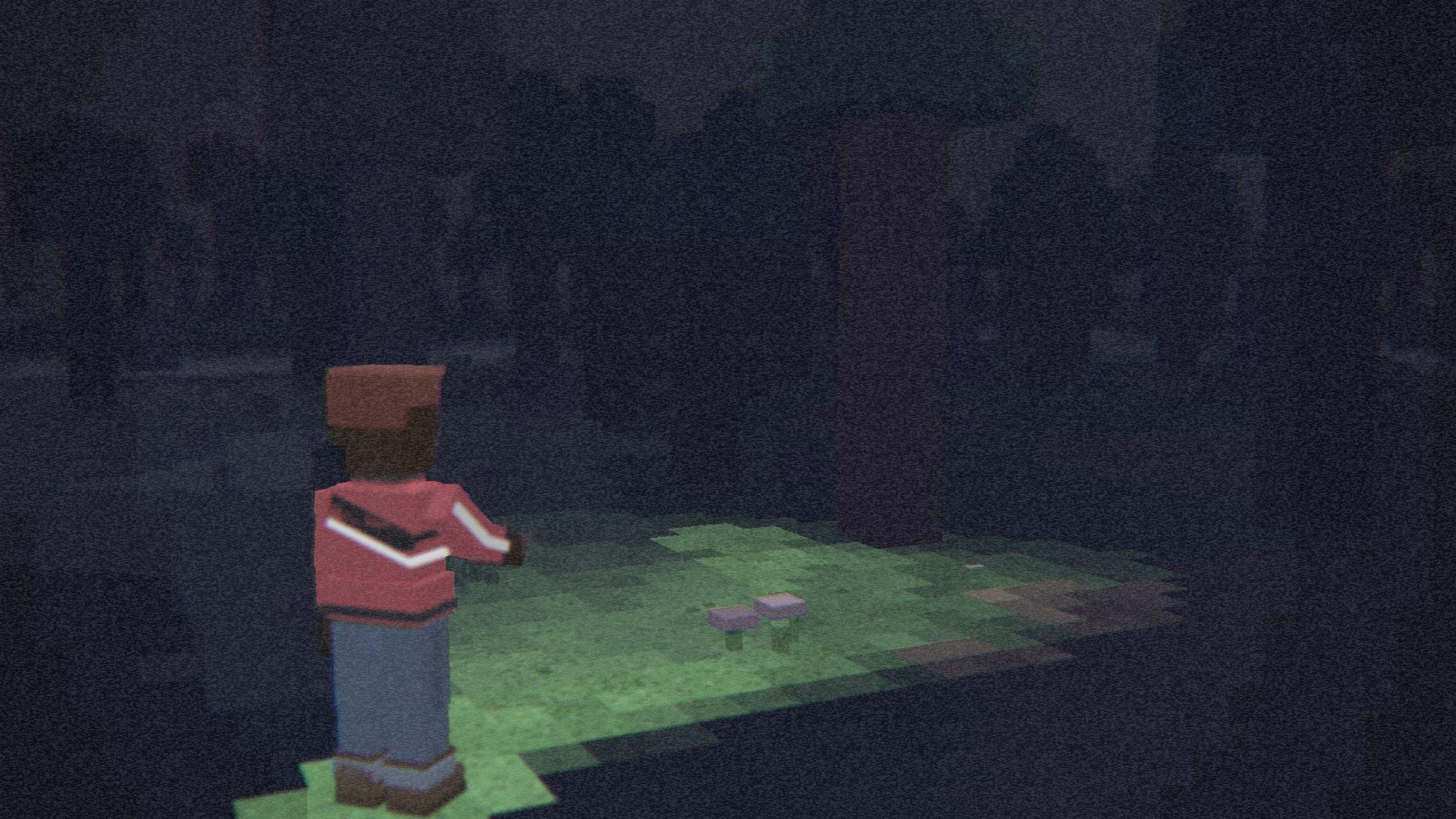
The hollow
A dip in the moor with a spring, a flat patch of dry ground and enough trees to matter. Whoever camped here before left a ring of stones and a story about why they left. The mist starts where the firelight stops, and the moor beyond it belongs to whatever is in it.
North-east, past the first ridge
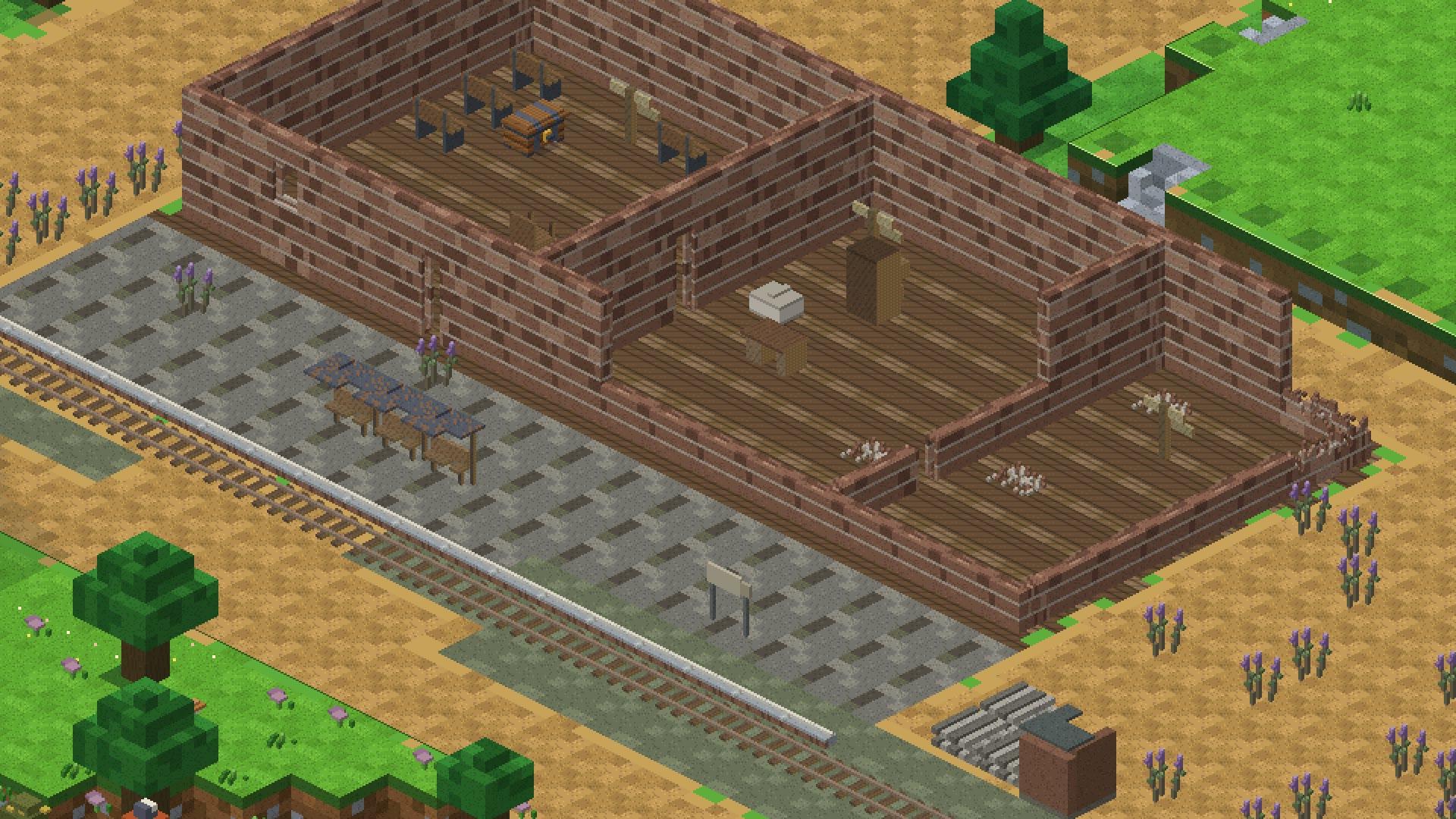
The old station
The line across the moor closed before the Wanderer was born. The platform is still there, the shelters have half their roofs, and the sign has faded to the shape of a name. People in the valley say the last train left in the middle of the night without stopping, and that nobody was on the platform to see it.
The Hollow Beck line was withdrawn on 6 March 1965. The timetable came down and the disposal list went up, and the last four names on that list were never crossed off. Pieces of the signalman's card are still out along the line, in the platelayers' hut and the carriage on the siding, and the eight levers in the box at Hollow Beck still move. People who have set the signals off say a train calls at 18:10. It is not in any timetable.
South, where the ground gives
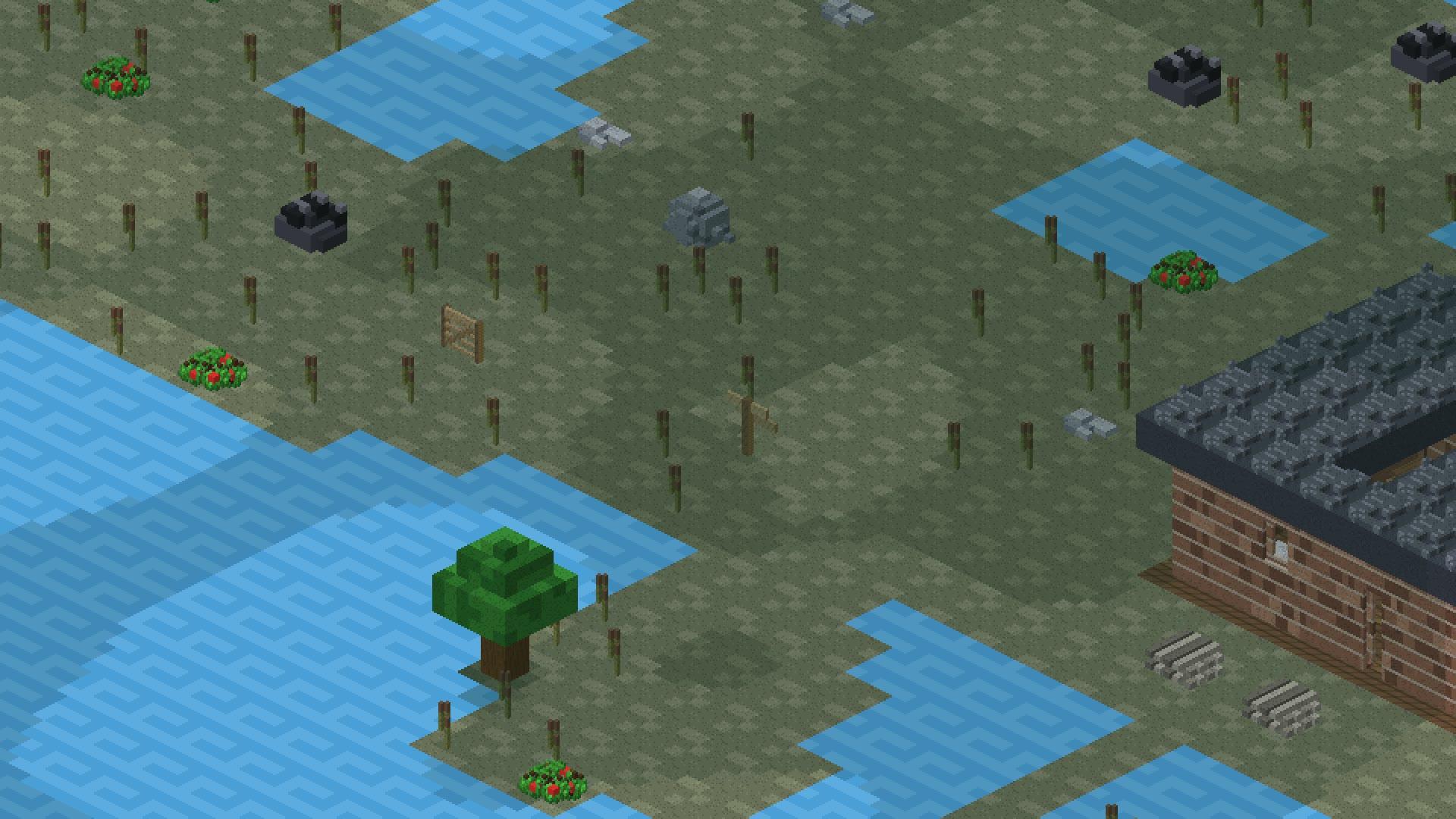
The marsh
Pools and reeds and a single dry trail that somebody laid down with a lot of care. The reeds grow taller than they should. The trail is older than the station.
Past the far end of the bog
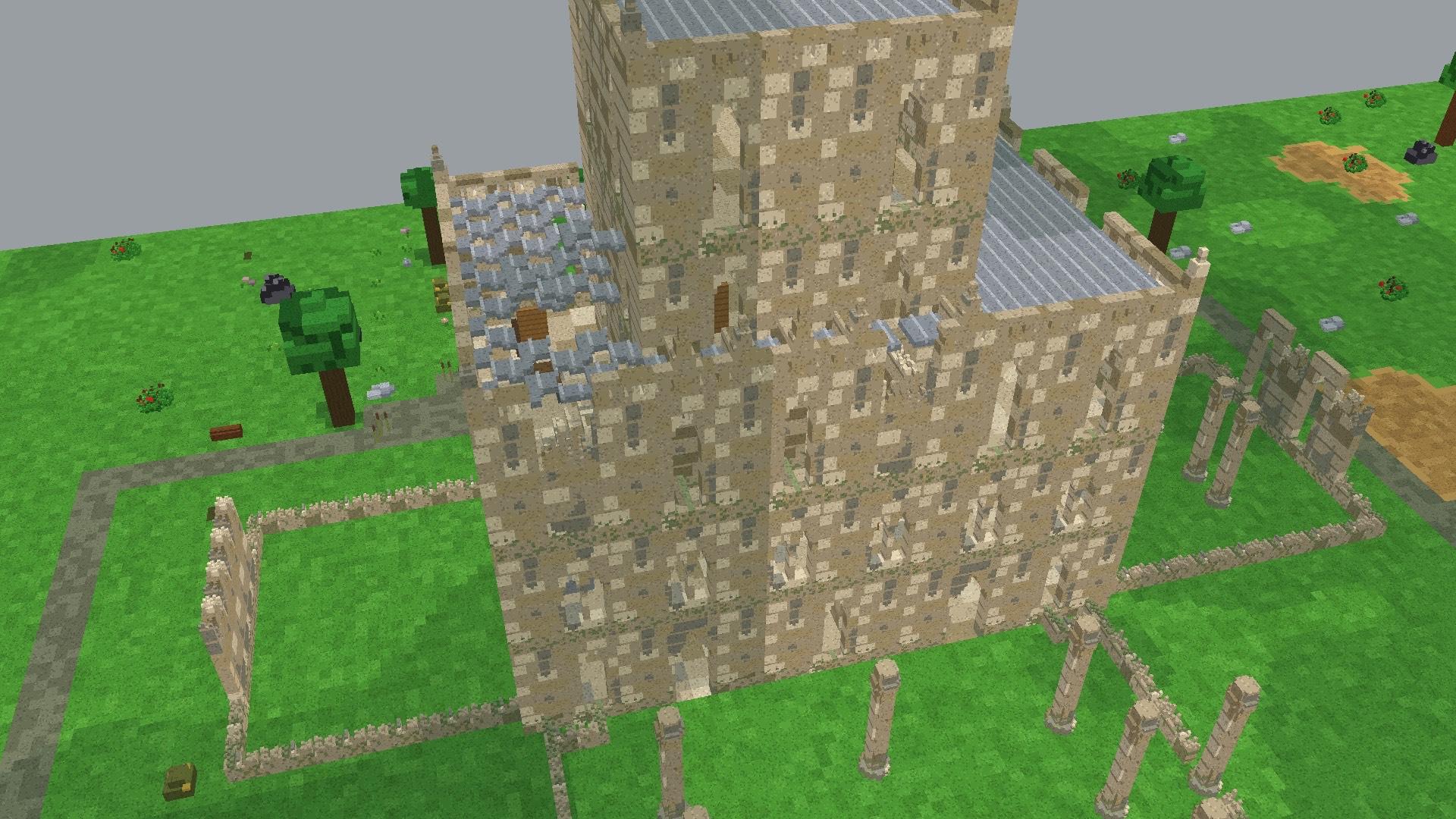
The abbey
The monks built it where the moor gives out, and it outlasted them. What stands is the east end of the church: three tiers of pale stone under what is left of its lead, a tower through the middle of it, and the nave, the cloister and the chapter house gone to footings in the grass. The stairs still climb all the way to the top of the tower. Something up there has made itself at home.
West, where the trees close in
The western forest
Old wood, thick enough to lose the fire behind. It gives good timber and plenty of stone, and it is where the moor keeps the things it does not want found.
Sixty-two nights
The last two months
Sixty-two nights are left of 1999, and the moor keeps its own calendar. On the fifth of November somebody out on the moor lets off rockets, and nobody has ever found who. The fog comes in to the firelight on the 12th with stalkers in it. On the 18th the Leonids come over, and one of them comes down on the moor. On the 26th it rains from dusk to dawn.
December is quieter, and worse. On the 3rd the railway telephone rings where the footpath meets the line. On the 10th the power fails from one side of the moor to the other. The 22nd has the biggest moon in a hundred years, and the Hollow walks under it. Christmas Eve is the one night nothing comes.
Everybody in the valley has heard what happens to machines at midnight on the 31st. On the moor it happens to light: every torch goes dark at once, and whatever has been waiting for that comes in. Anyone whose fire is still lit at dawn sees the year 2000.
The bestiary
Everything the Wanderer has survived long enough to write down. Four entries so far. The margins hold room for more, and the hollow intends to fill them.
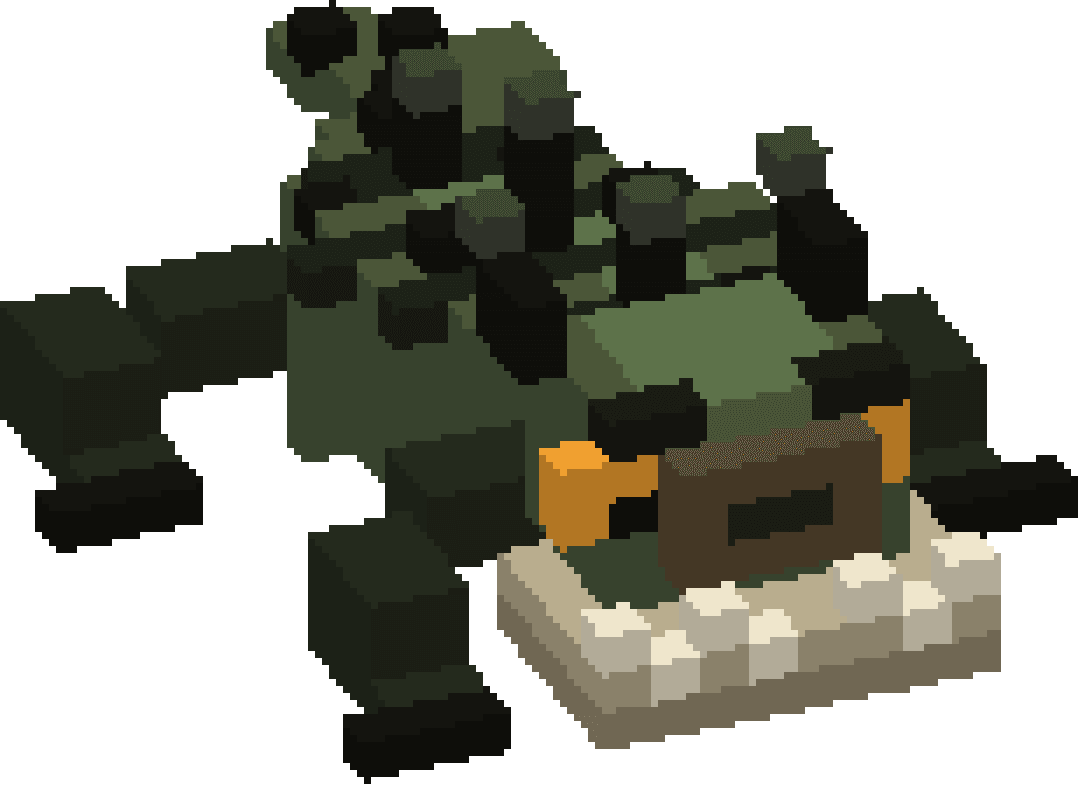
The Gloomling(Obsidian Fang)
Viper Lupine
BIOLOGY AND NATURE
The Gloomling (scientifically classified as a Viper Lupine) stands knee-high to a grown Wanderer, and the lupine half of the name describes how it hunts rather than what it is: there is nothing of the wolf in it but the arithmetic. It is a low, sprawling lizard, its body not flesh and bone but a hardened, crystalline-organic shell segmented like armour plating, with sharp, obsidian-like horns breaking through at the head, shoulders and tail. The shell runs sphagnum green through peat brown — the colours of the ground it lies on — so the first one you see is rarely the first one there.
The jaw is the part that is not to scale. It is wider than the skull that carries it, hung with rows of bone-white, fang-like crystals, and it is built for holding rather than for killing outright: a Gloomling that reaches you locks on, and works its jaws where it has taken hold until something makes it let go. Three can hold at once. The rest wait their turn. Its large yellow-orange eyes carry further in the dark than the rest of it does, which is the only mercy in the design.
MYTH AND LEGEND
Legends say the Gloomlings were set to guard the sacred heartwoods by a forgotten druidic order, or by some minor earth deity who wanted the work done cheaply and in numbers. The order vanished. The guard did not stand down. Over centuries the duty wore down into a habit and the habit into the only thing left in them, and they have long since stopped checking whether what walked in after dark was a defiler or a traveller who took a wrong turning.
Peasants in nearby settlements will not say the name after dark, and are cheerful enough about it by daylight. The objection is not that saying it calls them. It is that saying it in the singular is a lie, and out on the moor a lie about how many there are gets people killed. When they have to speak of them at all they say the guardians, plural and quickly, and change the subject. The tracks tell it plainer than the word does: prints the size of a child's hand, a shallow drag between them where the tail went, and never one set.
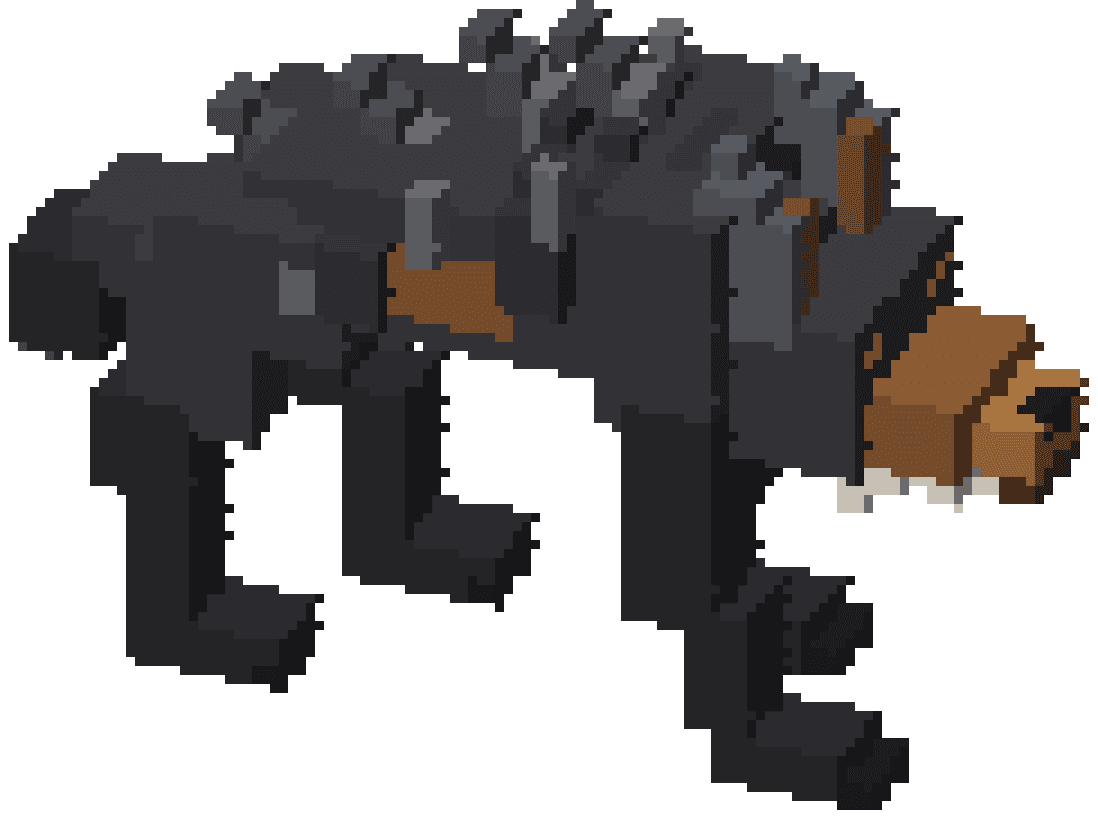
The Gravelhide(Basalt Crown)
Petra Canid
BIOLOGY AND NATURE
The Gravelhide (scientifically classified as a Petra Canid) is what remains when a hound decides to outlast the land it hunts. Beneath a coat of coarse black fur runs a lattice of living mineral: slabs of grey basalt erupt in a crest from crown to tail-tip, grown in the flesh the way pearls grow in oysters, drawn up from whatever stone the beast beds down on. The crest is armour, threat display, and history all at once — each slab thickens with the years, and an old Gravelhide sounds like a rockslide when it runs. The muzzle stays soft and tan, almost gentle, until it opens.
It hunts by daylight and holds no fear of the dark, for nothing in the dark has ever considered it food. It is fast, patient, and economical: a Gravelhide will pace a traveller for a mile at a fixed distance, deciding, before it commits to anything. Hunters prize the meat and prize the pelt more — a hide set with stone chips that turns a blade like scale mail.
MYTH AND LEGEND
The hill-folk say the Gravelhides are the hollow's first hills grown restless — old stone that watched the forest walk and creep and feed for so long that it finally stood up to join in. When one dies, custom demands its crest-stones be counted and left stacked where it fell: one stone for every winter it survived, a cairn the beast built itself.
To be watched by a Gravelhide on the road is held to be neither a good omen nor a bad one. It is a toll. The beast is weighing you — what you carry, what you would cost, what you are worth — and travellers who walk on slowly, without meeting its eye, report that the watching simply stops. The ones who ran are the reason the custom exists.
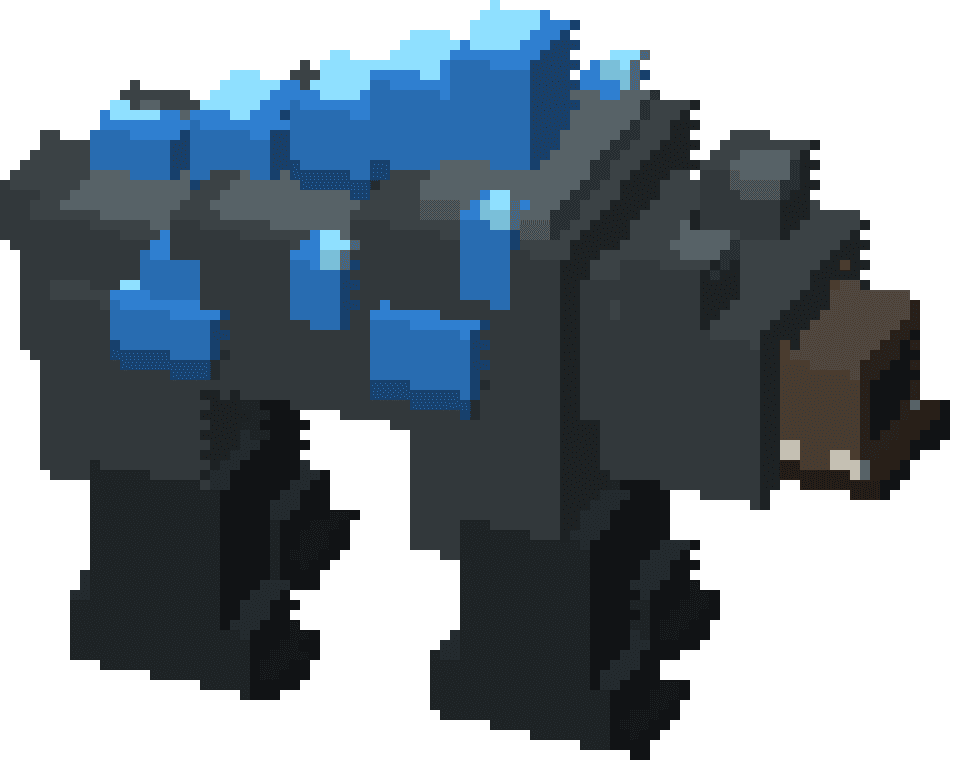
The Shardback(Mountain's Heart)
Ursa Crystallis
BIOLOGY AND NATURE
The Shardback (scientifically classified as an Ursa Crystallis) is a walking contradiction: a bear's bulk buried alive inside its own armour. It goes on all fours, humped at the shoulders, head slung low in front of it. Plates of night-dark stone sheathe it from crown to paw, fused so thickly that arrows ring off it like hail on a roof. Between the plates the truth shows through — a lit interior of cold blue crystal that pulses slowly, like a heartbeat under ice. Scholars argue whether the crystal is the creature's blood, its fuel, or its cargo. None have argued from closer than a treeline.
It is slow, and it is honest about it. A Shardback announces itself from a great distance and arrives without hurry, because nothing the defender does in the meantime matters. Fences, palisades, walls of stacked stone — it does not go around them. It goes through, and the horde follows through the gap.
MYTH AND LEGEND
Miners tell it best: that in the deepest galleries, where lamps gutter for no reason, every mountain keeps a heart of blue light — and that once an age, a mountain grows weary of keeping it. The heart puts on the mountain's stone like a coat, and walks. A Shardback, they say, is not a creature at all. It is a resignation.
It comes only on the deep nights, when the horde runs thickest, moving through the gloomlings like a storm-front through rain. The old advice is short, and the settlements that survived are the ones that took it: do not spend your logs on the wall. Spend them on the fire.
The Hollow(The Tall Quiet)
Umbra Residua
BIOLOGY AND NATURE
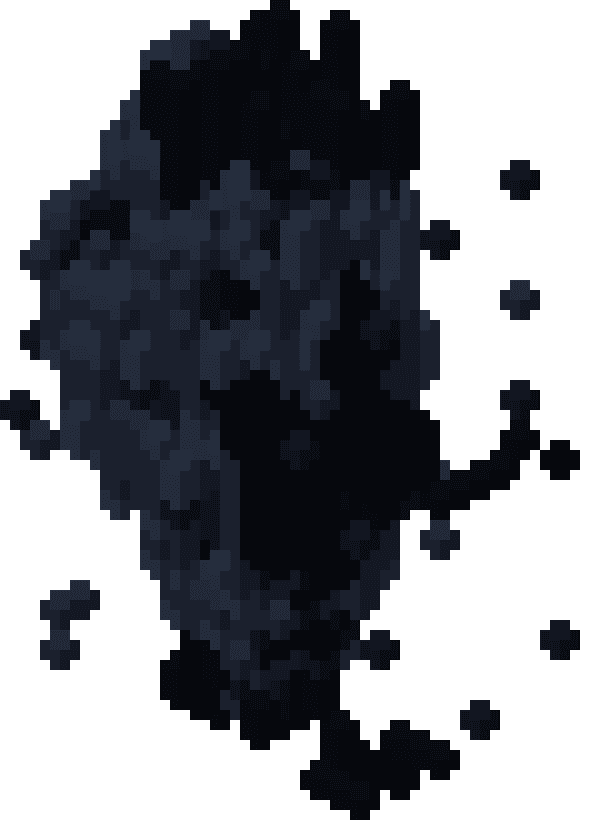
The Hollow (classified, by the one scholar who attempted it, as an Umbra Residua — the notes end mid-sentence) has no body to speak of. It is a mass of shadow twice the height of a grown Wanderer that drifts rather than walks, rising and falling on the spot the way a held breath does. Its edges never settle: they boil upward at the crown and trail away beneath, and pieces of it come loose and hang in the air around it, keeping pace. Two arms reach from the same flank, which is the detail that makes it wrong rather than merely large — one long, thinning to three hooked fingers, the other short and bent back on itself at the elbow the way no elbow bends.
It has no eyes. Nothing in there looks back at you, and the old accounts that swear to a face are describing what fear put there. Blades find little to catch on. It accepts exactly one argument: light. Where firelight touches it the shadow sears to pale ash and the thing folds itself back into the dark, unhurried, the way a thought is put away. Hurt it enough in the light and it comes apart as smoke. It takes what it finds beyond the firelight. Nothing it takes is ever eaten.
MYTH AND LEGEND
The peasants who will not say the Gloomling's name have no name for this one at all — they say it was here before names, and calls itself nothing. They call it only the tall quiet, because that is the whole of the warning: when your fire dies in the deep night and every cricket, every owl, every gloomling falls silent at once — that is not peace. That is arrival.
The grimmest telling says it is not a creature but a leftover: whatever the vanished druidic order called up to bind the Gloomling to the heartwoods, and could not send back. The order is gone. What they summoned kept the shape it was reaching for when they stopped, which is why, the moorfolk say, both its arms are on the one side — it was reaching for the last of them, and it is reaching still.
The hollow keeps its secrets. New entries arrive with new builds — watch the changelog.